
Children's Book Publishing Guides: Complete Resource Library for Independent Authors
Six complete guides covering every stage of children’s book publishing, from hiring an illustrator to self-publishing, activity book creation, book to app conversion, marketing, and finding a publisher. Written from 27 years of direct production experience. Start with the guide that matches where you are right now.
Most children’s book publishing advice online is written by people who have never actually produced one. I have spent 27 years creating educational content for children, illustrated 58+ published books, developed 25+ educational apps, and worked with Disney (Creativity Award, 2002) and Microsoft (AppCampus funding, 2014). I have also worked directly with self-publishing authors at every stage of the process. That combination is what these guides are built on.
The questions authors ask me most often do not have short answers. How much does illustration cost? Which platform should I publish on? Should this be an activity book or a picture book? Can my book become an app? Each of those deserves a proper, honest answer with real numbers and specific recommendations. That is what this series aims to deliver.
You do not need to read all six guides. Most authors only need two or three depending on where they are in the process. The table below will point you to the right starting point.
Part of what drives this work is personal. Every illustration project I take on helps fund the development of autism-friendly educational tools and apps for neurodivergent children. Read about the mission here.
Which Guide Do You Need?
Quick Answer: Start with the guide that matches your current decision. If you need an illustrator, start with Guide 1. If your book is illustrated and you are ready to publish, start with Guide 2. If you are making an activity book, Guide 3. If you want your book on iOS and Android, Guide 4. Marketing and traditional publishing guides are coming soon.
Where You Are Right Now | Start With | Then Move To |
|---|---|---|
I have a story and need an illustrator | Guide 1: How to Hire an Illustrator | Guide 2: How to Self-Publish |
I have illustrations and need to publish | Guide 2: How to Self-Publish | Guide 5: Marketing (Coming Soon) |
I am planning an activity book | Guide 3: Activity Books for Kids | Guide 2: How to Self-Publish |
I want my book on iOS and Android | Guide 4: Book to App Conversion | – |
My book is published and I want to sell more | Guide 5: Children’s Book Marketing (Coming Soon) | – |
I want a traditional publisher, not self-publishing | Guide 6: How to Find a Publisher (Coming Soon) | – |
The Complete Children's Book Publishing Guide Series
Quick Answer: Four guides are complete and live now. They cover illustration, self-publishing, activity book creation, and book to app conversion. Two more guides covering marketing and traditional publishing are in production and will be published in mid-2026.
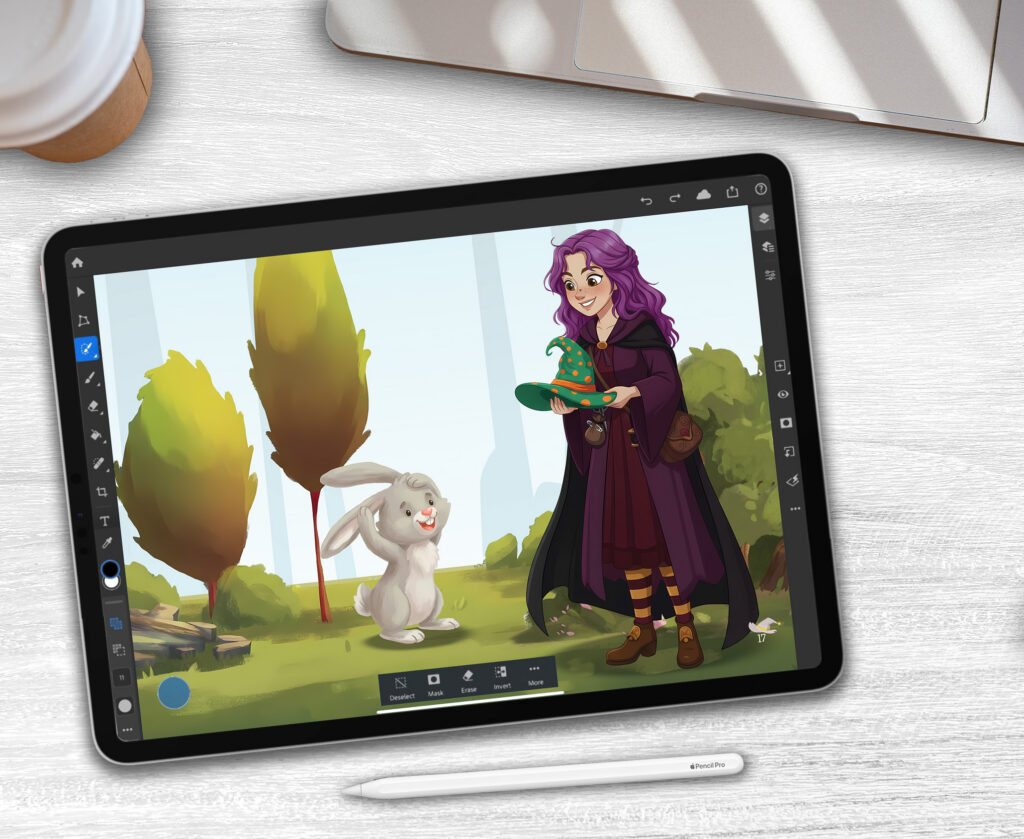
Illustration is the most important investment in a children’s book. The right illustrator makes your story work. The wrong choice makes it unsellable, regardless of how good the writing is. This guide covers how to evaluate portfolios, what to pay at each quality tier, what to put in a contract, and how to manage the process from first brief to print-ready files.
What this guide covers:
- Current illustration pricing across budget ($1,000 to $2,500), professional ($2,500 to $5,000), and established tiers ($5,000 to $12,000)
- How to evaluate a portfolio for your specific book type and age group
- What contracts must cover to protect both you and the illustrator
- Illustration styles explained, and why Modern Disney-Style Digital Illustration works best for picture books
- Timeline: what to expect from initial brief to delivery of final files
Self-publishing a children’s book involves more technical decisions than most authors expect. Print specifications, platform choices, ISBN registration, color mode settings, each decision affects the final product in ways that are hard to fix after the fact. This guide walks through every step in the order you need to make decisions, with real numbers and platform comparisons rather than vague advice.
What this guide covers:
- How to prepare your manuscript and confirm it is ready before you invest in illustration
- KDP vs IngramSpark: what each platform does well and why most authors use both
- How to get and register your own ISBN so you are listed as publisher of record
- Print specifications: trim size, paper type, colour mode, and bleed settings
- Pricing strategy for paperback and hardcover editions that actually sells
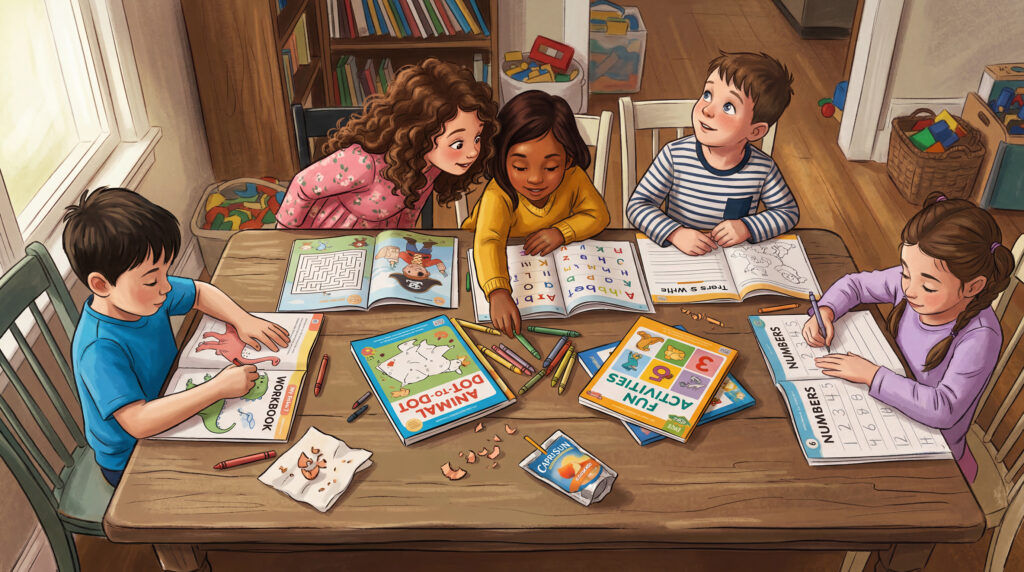
Activity books have different illustration requirements from picture books. White space, line weight, character scale, and page structure all serve functional purposes in an activity book, not just aesthetic ones. Most first-time activity book authors underestimate how much those differences matter at the brief stage. This guide covers what to get right before you commission any artwork.
What this guide covers:
- The four activity book types and what illustration approach each one needs
- Age group requirements and how they change what you can include on each page
- Why activity book illustration is harder to get right than picture book illustration
- How to write an illustration brief that gives an illustrator the right constraints
- Commissioning process: timelines, page counts, and what to expect at each stage
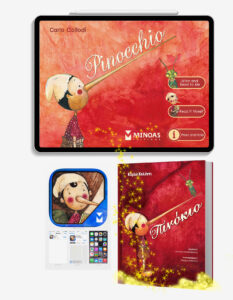
A published children’s book is a finished product. A children’s book app is a software project. The two are very different things, and most authors who try to convert their book to an app either spend far more than they expected or end up with something that does not perform well. This guide covers the full process, realistic costs, and what actually makes a children’s book app succeed or fail.
What this guide covers:
- What book to app conversion actually involves technically on iOS and Android
- Honest cost breakdown: professional Unity-based development runs $9,000 to $15,000
- Why DIY platforms like Book Creator produce limited results and when they are acceptable
- How to evaluate a developer and what questions to ask before you sign anything
- What makes children's book apps succeed in the App Store and Google Play
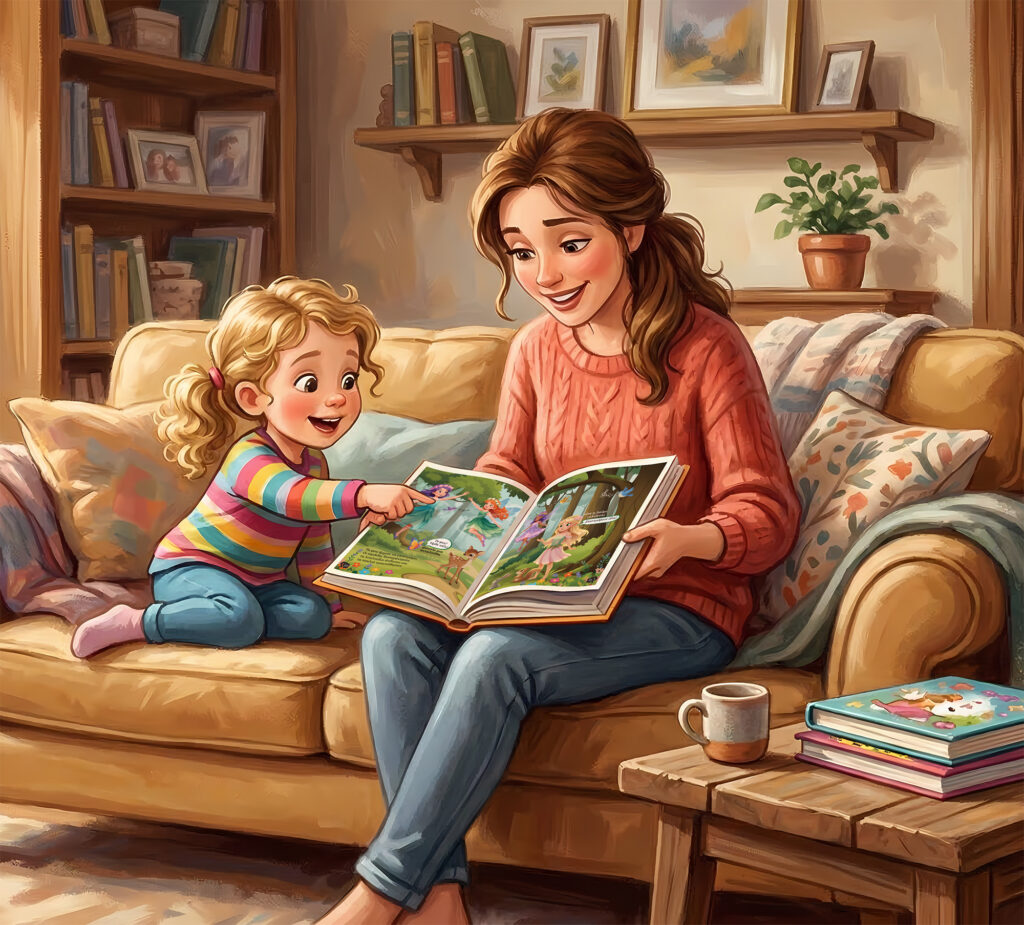
Covers Amazon ads, school visits, library outreach, getting early reviews, and building an author platform that generates ongoing sales. Written specifically for the children’s book market, not general self-publishing advice.
Covers how to research publishers, what to include in a submission package, how to find a literary agent when required, and what to expect from the traditional publishing route in 2026 compared to self-publishing.

Covers how to research publishers, what to include in a submission package, how to find a literary agent when required, and what to expect from the traditional publishing route in 2026 compared to self-publishing.
Not Sure Where to Start?
If you have a story and you are figuring out your next step, the fastest way to understand what is possible is to request a free custom spread. I will illustrate one double-page spread from your book so you can see the style and quality before you commit to anything. No credit card. No obligation.
What Does Children's Book Publishing Actually Involve?
Quick Answer: Children’s book publishing involves four main stages: manuscript preparation, illustration, print production, and distribution setup. Most books take 6 to 12 months from finished manuscript to published book. Illustration alone takes 8 to 14 weeks. Each stage has specific technical requirements that affect the next, so the order of decisions matters more than most first-time authors expect.
Children’s book publishing is more technically involved than publishing most other book types. The illustration file specifications alone require understanding of colour modes, DPI, bleed settings, and print platform requirements. Get those wrong, and you can face reprinting costs or quality problems that damage early sales and reviews.
According to the Society of Children’s Book Writers and Illustrators (SCBWI), children’s picture books are one of the most active publishing categories globally. The self-publishing route has grown substantially in this category over the past decade, with authors now able to produce professional-quality books and access the same distribution channels as traditional publishers.
The biggest mistake I see first-time children’s book authors make is treating each stage as independent. Illustration decisions affect print specifications. Print specifications affect platform choices. Platform choices affect pricing and distribution reach. The guides in this series are structured to reflect that sequence, so each one builds on the decisions made in the previous stage.
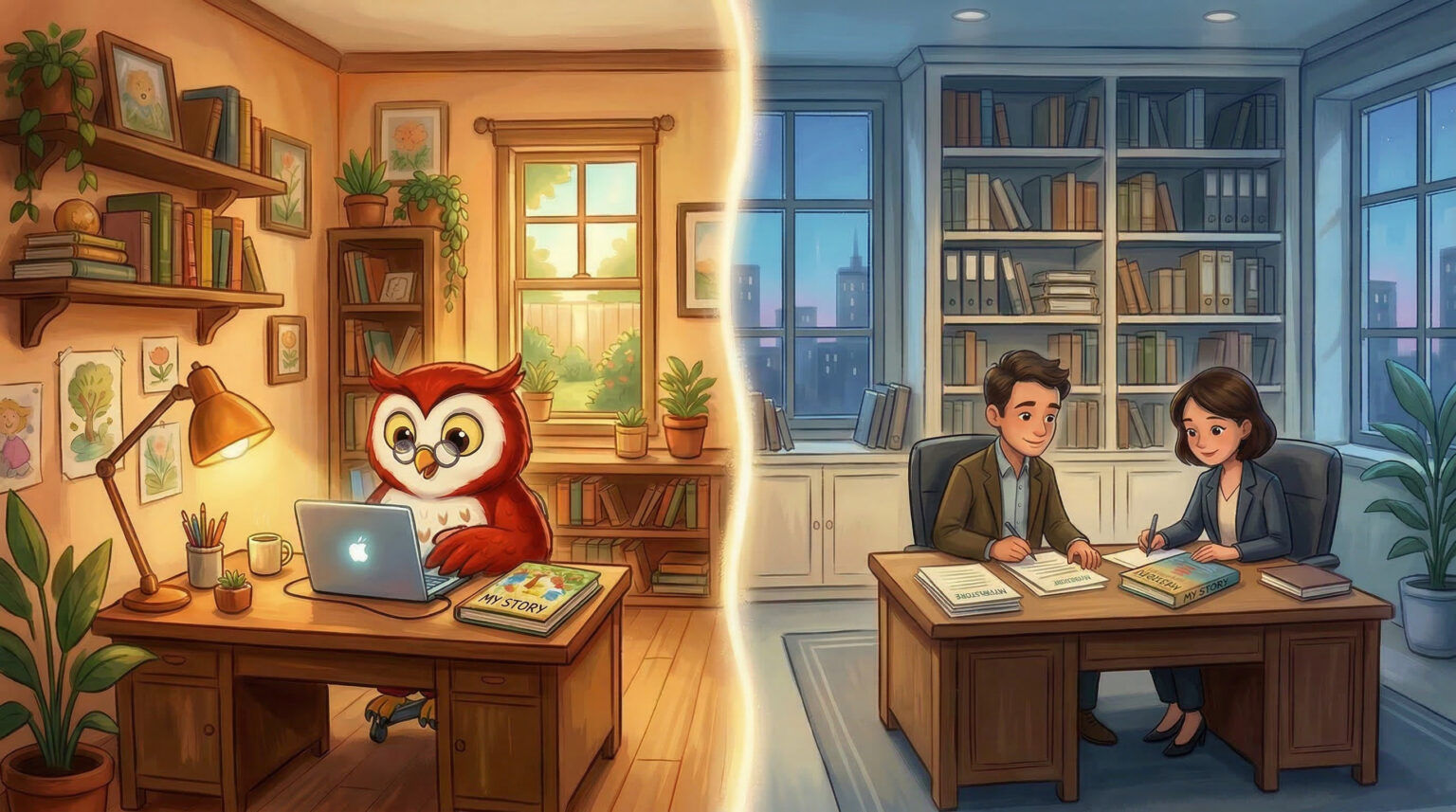
Should You Self-Publish or Find a Traditional Publisher?
Quick Answer: Self-publishing gives you faster time to market (6 to 12 months vs 2 to 5 years), significantly higher royalties, and full creative control. Traditional publishing covers production costs and offers full bookstore distribution, but the acceptance rate is under 1% and you give up most creative decisions. Most independent children’s book authors who research both routes choose self-publishing.
Factor | Self-Publishing | Traditional Publishing |
|---|---|---|
Time to market | 6 to 12 months | 2 to 5 years |
Author royalty | 50 to 70% | 10 to 15%
|
Creative control | Full: you make every decision | Limited: publisher has final say |
Upfront cost | $3,000 to $8,000 (illustration + production) | $0, publisher funds production |
Bookstore distribution | IngramSpark gives access; actual stocking varies | Full retail distribution included |
Acceptance rate | No acceptance, you publish when ready | Under 1% of submissions accepted |
Illustration decisions | You commission and own the artwork | Publisher assigns illustrator, often not your choice
|
The illustration control factor matters more than most authors realise before they go through the process. With traditional publishing, you typically have no say in who illustrates your book. The publisher owns that relationship. I have spoken to many authors who had their manuscript accepted but were unhappy with the illustration style the publisher chose. With self-publishing, you choose and brief the illustrator directly, which is where the illustration guide comes in.
The Graphic Artists Guild publishes pricing standards for professional illustration that are worth understanding whether you are self-publishing or trying to evaluate what a traditional publisher would spend on your book.
What Separates Children's Books That Sell from Ones That Do Not?
Quick Answer: The illustration quality is the single biggest factor. Children’s books are visual products. Parents and children decide in seconds based on what the book looks like. Professional illustration matched to the right age group and story type determines whether a book gets picked up, recommended, and reviewed. The writing matters, but illustration is what closes the sale.
After 58+ published books and working with dozens of independent authors, the pattern is consistent. Books with professional illustration that matches the story sell. Books where the illustration feels generic, inconsistent, or inappropriate for the age group struggle regardless of how good the writing is. Children’s books are judged by their covers and spreads in a way that adult books simply are not.
The second factor is production quality. Colour accuracy, paper choice, trim size, and file preparation all affect how a book looks and feels in a reader’s hands. I have seen authors lose early sales not because of poor writing or weak illustration, but because their print files had colour mode errors or the trim size did not match standard shelf dimensions. These are fixable problems, but not after 500 copies are printed.
If you are planning a children’s book and want to see what professional illustration looks like for your specific story before making any financial commitment, you can request a free custom spread. I will illustrate one double-page spread from your book. You keep it regardless of whether we work together.
About This Guide Series
Quick Answer: These guides are written by Aris Karavias, a children’s book illustrator and educational content creator with 27 years of experience. They are based on direct production work, not aggregated advice from other sources. Pricing figures come from real project data and industry research. Recommendations are specific, not generic.
I built this series because the guides I found online when authors came to me with questions were consistently either too vague to act on or written by people with no direct production experience. Generic advice about “finding the right illustrator” does not help if you do not know what a professional portfolio looks like or what price range is reasonable. Advice about “publishing on Amazon” does not help if you do not know what file specifications KDP actually requires.
Everything in these guides comes from work I have done directly. The pricing data comes from my own projects and current research. The platform comparisons come from actual experience with KDP and IngramSpark. The illustration guidance comes from 27 years of producing artwork for children’s books and educational apps across multiple international markets.
If you have questions that are not covered in the guides, the app conversion service and illustration service pages explain what working together looks like. You can also request a free custom spread as a no-obligation starting point.
Key Takeaways: Children's Book Publishing
- Children’s book publishing involves more technical decisions than most other book types. Illustration files, print specifications, platform choices, and metadata all affect the final product.
- The order of decisions matters. Finalise your manuscript before commissioning illustration. Confirm illustration file specs before setting up print files. Get this sequence wrong and it costs time and money to correct.
- Professional illustration for a 32-page picture book costs $2,500 to $5,000 at the professional tier. This is the largest single investment and the one with the most impact on sales.
- Self-publishing takes 6 to 12 months from manuscript to published book. Traditional publishing takes 2 to 5 years, with an acceptance rate of under 1%.
- Activity books require different illustration to picture books. Age group, activity type, and page structure each change what the illustration must do functionally.
- Book to app conversion is a software development project. Realistic professional costs run $9,000 to $15,000. DIY tools produce lower-quality results.
- You do not need all six guides. Start with the one that matches your current decision and read the others when you reach that stage.
Frequently Asked Questions: Children's Book Publishing
How much does it cost to publish a children's book?
The total cost to self-publish a professional children’s book runs between $3,000 and $10,000. The largest cost is illustration: a 32-page picture book with professional illustration costs $2,500 to $5,000. Print formatting, ISBN registration, proof copies, and platform setup add roughly $200 to $600. The self-publishing guide covers costs in detail with a full breakdown at each stage.
How long does it take to publish a children's book?
From finished manuscript to published book, most professionally produced children’s books take 6 to 12 months. Illustration takes 8 to 14 weeks. Print formatting adds 2 to 4 weeks. Platform setup, proof ordering, and review adds another 2 to 4 weeks. Authors who rush the illustration phase to meet an arbitrary deadline consistently report the most problems with their final product.
Do I need an agent to publish a children's book?
You need a literary agent to approach most major traditional publishers. You do not need one to self-publish. If you are publishing on KDP or IngramSpark, you work directly with the platform without any intermediary. The traditional publishing guide (coming soon) covers how to find an agent and what the submission process looks like for children’s books specifically.
What is the difference between KDP and IngramSpark for children's books?
Amazon KDP gives you strong presence on Amazon and is straightforward to use. IngramSpark distributes to bookstores, school suppliers, and libraries globally through the Ingram network. Most children’s book authors who want broad reach use both platforms: KDP for Amazon sales and IngramSpark for everything else. The self-publishing guide compares both in full with specific guidance for children’s books.
Can I publish a children's book without a professional illustrator?
In practice, no. Children’s books are visual products and illustration quality directly affects sales. A picture book without professional illustration does not compete on any major platform. Stock illustration does not work because each book needs consistent characters across 28 to 32 pages. The illustration guide explains how to find the right illustrator, what to expect to pay, and how to evaluate a portfolio before you commit.
What is the difference between a picture book and an activity book?
A picture book is passive: the child reads or listens to the story. An activity book is active: the child traces, colours, solves, matches, or draws on each page. That difference changes every illustration requirement. White space, line weight, character scale, and page layout all serve functional purposes in an activity book rather than purely aesthetic ones. The activity book guide covers these differences in full.
Can I turn my children's book into an app?
Yes, but it is a software development project rather than a publishing project. Book to app conversion means building a native iOS and Android application that includes your book’s content, interactive elements, animations, and audio. Professional Unity-based development costs $9,000 to $15,000 and takes 4 to 6 months. The app conversion guide covers what the process involves, what it costs, and what to look for in a developer.
How do I know if my idea is good enough for a children's book?
The most reliable way is to test the story with real children before you invest in illustration. Read it aloud to children in your target age group and watch their reactions. Do they stay engaged to the end? Do they ask to hear it again? Do they ask questions about the characters? Those responses tell you more than any feedback from adults. Children’s books work when they match the developmental stage of the intended reader, not when adults find them clever or charming.
Ready to Start Your Children's Book Project?
If you have a story and you are working out your first step, the fastest way to understand what is possible is to request a free custom spread. I will illustrate one double-page spread from your book so you can see the quality and style before making any commitment. Most authors who request one have a clear sense within a few days of whether this is the direction they want to go.
See the Quality Before You Commit
I illustrate one spread from your book at no charge. You get to see exactly what the finished book will look like, in the style that fits your story, before any money changes hands. No credit card. No obligation to continue.
Written by Aris Karavias, founder of ReadnLearn. Aris has 27 years of experience creating educational content for children, including work with Disney (Creativity Award, 2002) and Microsoft (AppCampus funding, 2014). He has illustrated 58+ published children’s books and developed 25+ educational apps. Based in Athens, Greece. Every project he takes on helps fund the development of autism-friendly educational tools and apps for neurodivergent children. Read about the mission.
